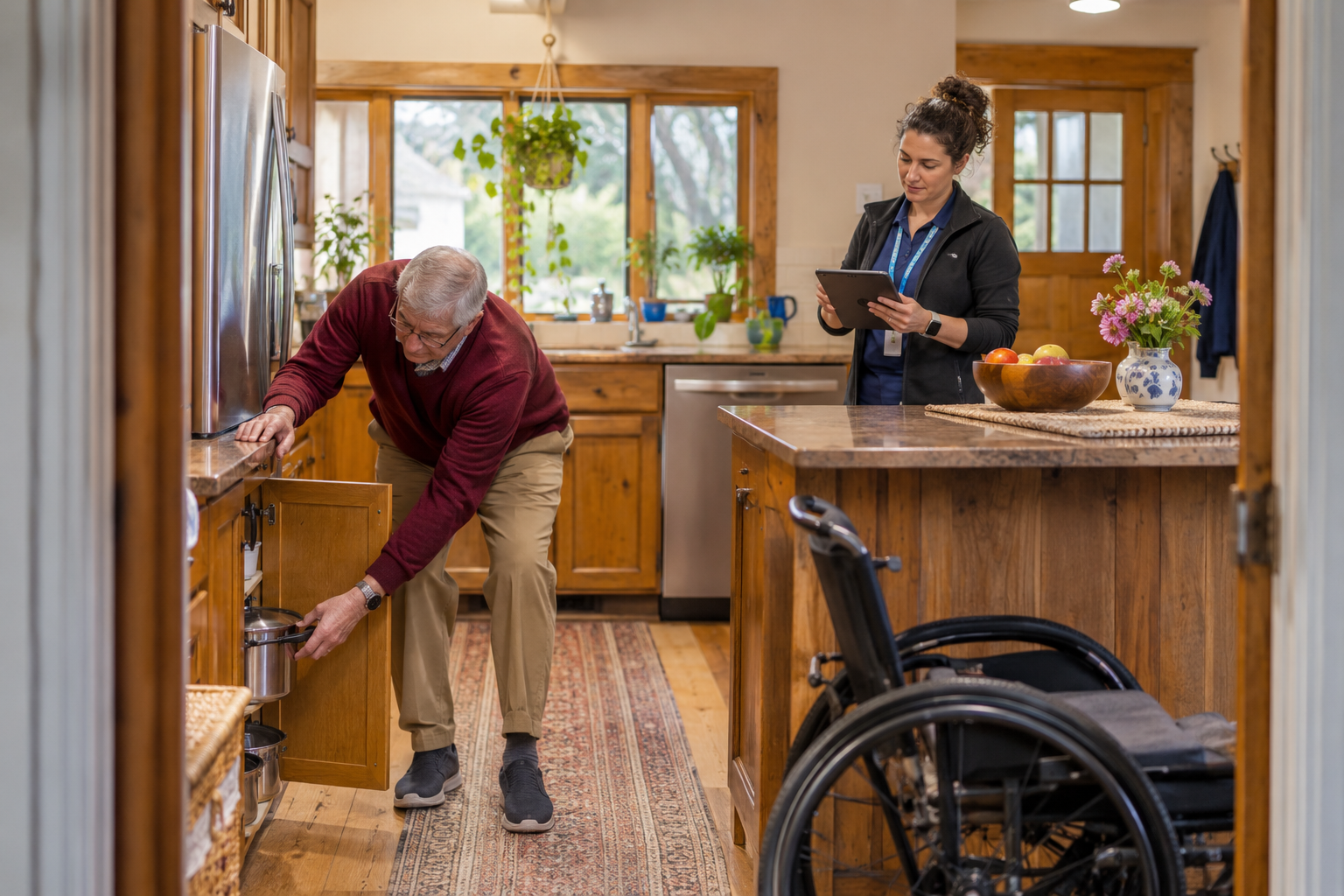
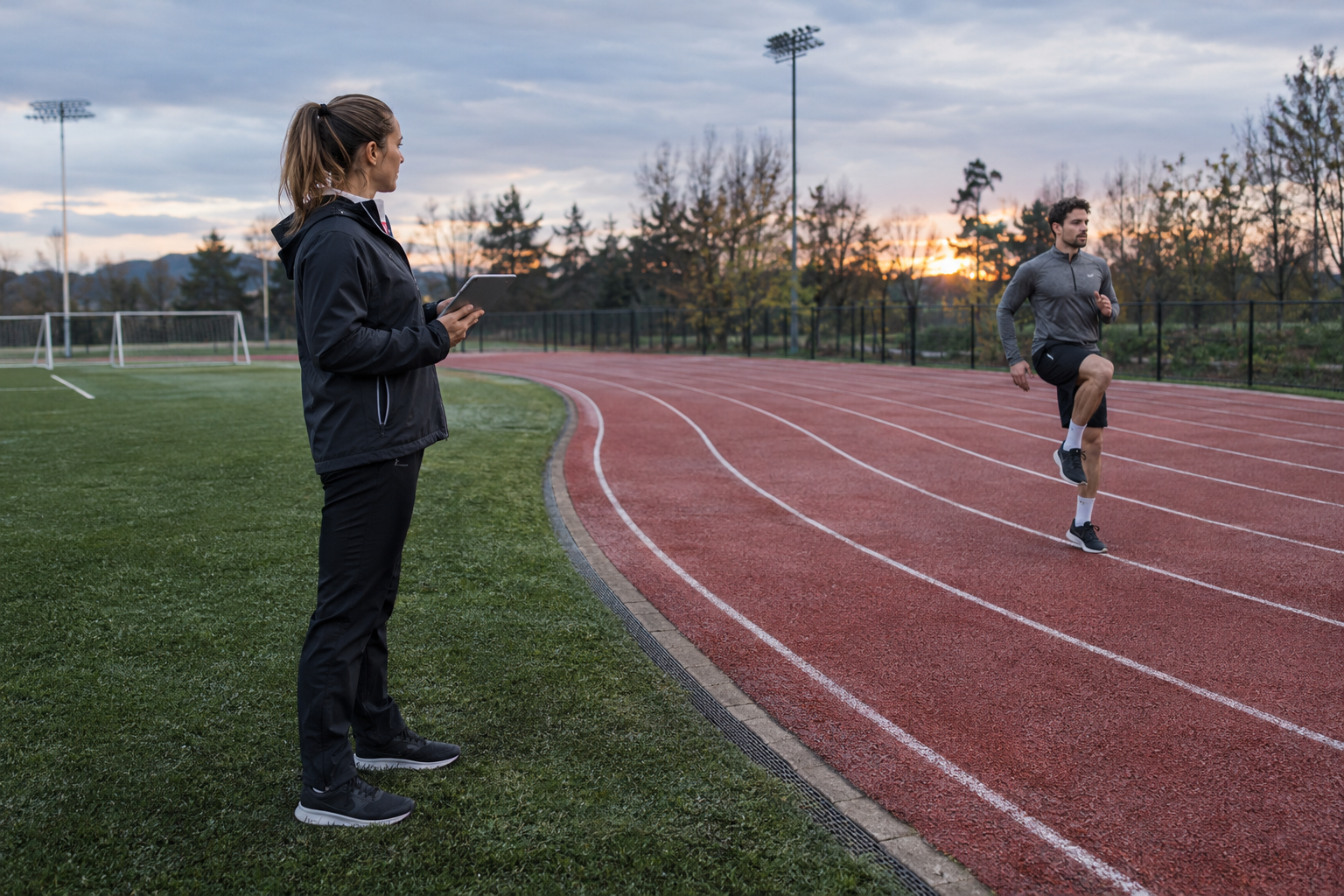
A reassessment is a moment to connect the numbers with the person. An improved measure may sit alongside a note about continuing difficulty at work. A reported setback may have followed a change in daily activity. If those details are separated, the progress report can become a list of measurements without a useful account of recovery.
Physiotherapists work with imaging reports, assessments, range-of-motion and strength measures, treatment histories, home programs and progress reports. Preparing for a reassessment means understanding how those pieces relate to the person’s movement, function and goals.
At C3, Oliver brings an AI assistant into that record-review workflow. The aim is to give physiotherapists more time to apply their expertise, with the supporting evidence easier to find and check.
How Oliver supports this workflow
Connected clinical context
Bring together authorized assessment reports, treatment notes and documented history, with references back to the record. The clinician can check where a finding came from and what was happening at that visit.
Progress over time
Compare recorded measures and functional milestones across visits. Reading the measures alongside treatment notes helps the physiotherapist investigate changes, plateaus and gaps in documentation.
Program and report drafts
Organize documented exercises, goals and progress into working program documentation or a progress-report draft. The physiotherapist refines the content and determines the appropriate plan.
Your clinic’s standards
Use the clinic’s reporting requirements, assessment terminology and preferred structure to guide how information is organized. A draft should support the way your team reviews and communicates care.
Biometrics through Visana
Where Visana is part of your workflow, its non-diagnostic wellness information offers an additional source of context alongside traditional assessments. The physiotherapist determines how that information is relevant.
Learning from documented patterns
Authorized, de-identified comparisons can help clinicians explore how similar situations were documented and which outcomes were recorded. Those historical patterns support learning and professional inquiry.
A practical example to explore
Consider this illustrative workflow; it is not a client case or a reported outcome.
A progress report may contain a stronger measure without explaining what changed in everyday activity. A treatment note may describe better function without repeating the original score. For a physiotherapist, both pieces matter when reviewing the course of rehabilitation.
A starting question for Oliver: “Summarize the documented changes since the initial assessment, with source notes.”
Establish the comparison period and identify which assessment was the baseline. A change is easier to discuss when the dates and measures are clear.
Bring the relevant session notes beside the recorded measures, including documented symptoms, activity tolerance and home-program context.
Separate a recorded observation from the clinician’s interpretation. Missing visits or unmatched measures should remain visible in the review.
Making the information useful in practice
Start the review with the person’s documented goal and a defined period. Then place the relevant measures beside the observations that explain how they were obtained. Keep the distinction between clinician observations and the person’s own reports. This makes the eventual conversation more specific: which activities have changed, what remains difficult, and what needs to be assessed again? Oliver supports the preparation of that record; the physiotherapist supplies its clinical meaning.
Does Oliver interpret medical images?
This workflow uses documented reports and assessments. It should not be presented as independent interpretation of raw DICOM images. A physiotherapist reviews the available evidence and determines its relevance to care.
Explore the workflow with C3 and Oliver
Bring a progress-report template and a question about change over time to a focused Oliver demo. We can explore the workflow using illustrative records and discuss how it fits your team.